

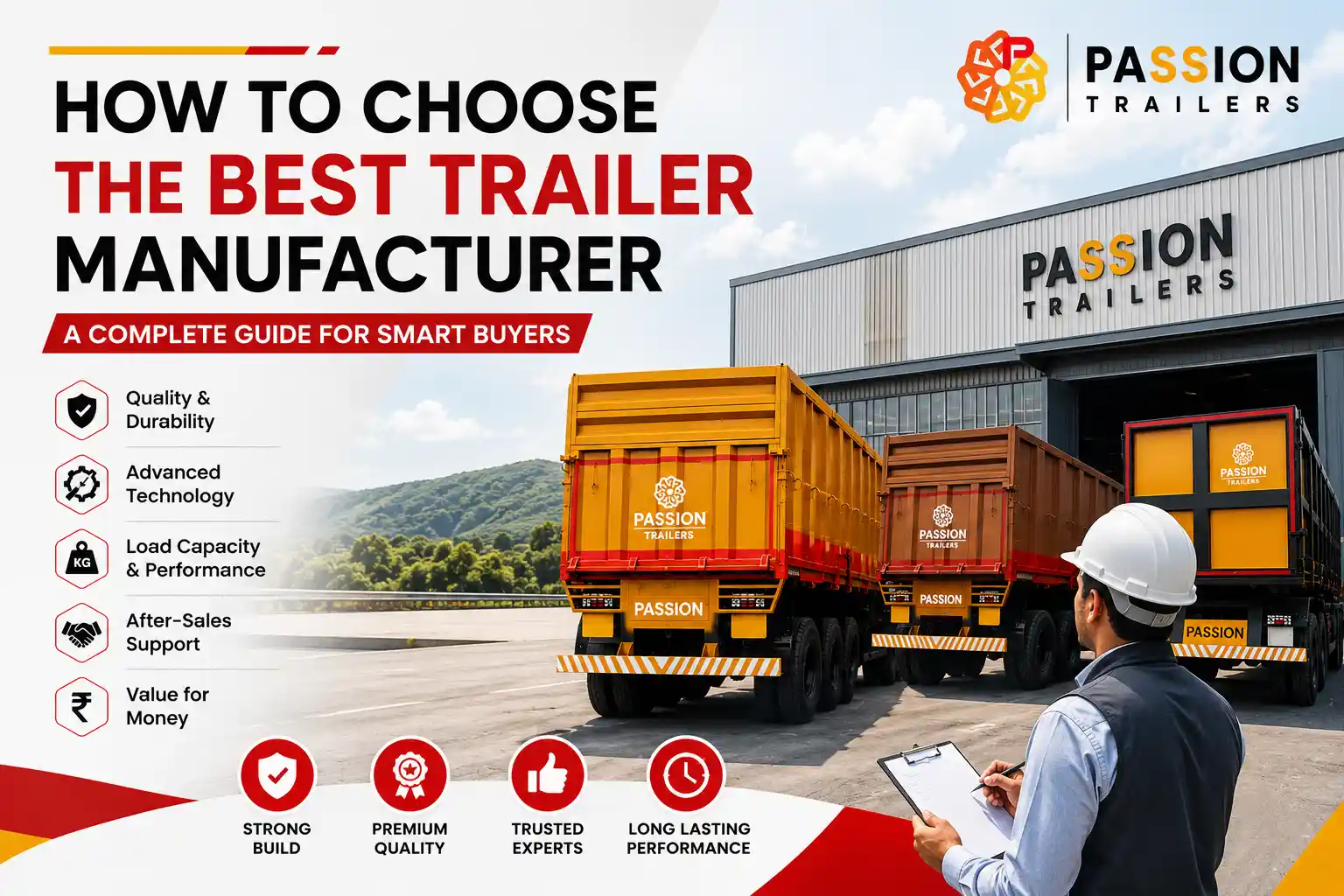
Buying a trailer isn’t really a one-time transaction, it’s a decision that affects your business for years afterward, through uptime, maintenance costs, and how reliably your loads actually get delivered. Yet a lot of businesses still end up choosing a trailer manufacturer based on price alone, and find out the gaps only after the trailer is already on the road. If you’re trying to figure out how to choose a trailer manufacturer that won’t let you down, here are seven things worth checking first.
1. Manufacturing Certifications
This is the fastest way to separate serious manufacturers from the rest. Certifications like ICAT, IATF, and ISO aren’t just paperwork — they confirm that a manufacturer’s processes are actually audited and meet recognized quality standards, rather than just being self-claimed. A trailer manufacturer without any of these certifications may still build a decent product, but you’re relying purely on trust, with nothing to back it up.
2. Build Quality and Materials
Ask what steel grade is used for the chassis, and how the welding and fabrication process actually works. High-tensile steel construction matters a lot more for heavy or uneven loads than it might seem on paper. A trailer that looks fine in the showroom can start showing cracks or fatigue within a year if the underlying material and welding quality aren’t up to standard.
3. Range of Products Offered
A manufacturer with a wide range, flatbed trailers, side wall trailers, tip trailers, container trailers, low bed trailers, and skeletal trailers, usually signals more manufacturing experience and engineering depth than one that only builds a single type. It also means that if your business needs change down the line, you can stick with a manufacturer you already trust instead of starting the vetting process over with someone new.
4. In-House Design and R&D Capability
Manufacturers with their own design and R&D teams can actually engineer a trailer around your specific load type, route conditions, and usage pattern — instead of pushing out a generic, one-size-fits-all unit. This matters more than most buyers realize until they’re stuck with a trailer that technically works but wasn’t really built for how they actually use it.
5. After-Sales Support and Spares Availability
A trailer is only as good as the support behind it once it’s out on the road. Before buying, ask directly: how easy is it to get spare parts, is there a service network in your region, and how fast do they typically respond when something needs attention? A manufacturer that disappears after the sale ends up costing you more in downtime than you saved on the purchase price.
6. Transparent Pricing and Delivery Timelines
Reliable manufacturers are upfront about pricing, specifications, and delivery timelines from the first conversation. If you’re getting vague answers, shifting quotes, or delivery dates that keep moving, that’s usually a preview of what after-sales support will look like too.
7. Reputation and Existing Client Base
Finally, check who else is already using their trailers. A manufacturer serving established names in construction, mining, FMCG, or logistics has already been tested at scale — that track record is worth more than any brochure claim. Read reviews, ask for references if needed, and see how long they’ve actually been in business.
Why This Matters More Than It Seems
None of these factors are complicated on their own, but together they explain why two trailers that look identical in a showroom can perform completely differently five years down the road. The manufacturer you choose is effectively a long-term partner for your fleet, not just a one-time vendor — and it’s a lot easier to check these things upfront than to switch manufacturers after a bad experience.
How Passion Trailers Measures Up
Passion Trailers checks each of these boxes directly. The company operates an ICAT, IATF, and ISO-certified manufacturing facility in Kanpur, backed by the established Passion Group. It offers a full range of trailers — flatbed, side wall, tip, container, low bed, and skeletal — engineered by an in-house design and R&D team around real-world use, not generic templates. Every trailer is backed by genuine after-sales support, spares availability, and a service network built for businesses across Uttar Pradesh and India.
Frequently Asked Questions
What is the most important factor when choosing a trailer manufacturer?
Certifications and build quality matter most upfront, since they’re the clearest signal of long-term reliability — but after-sales support is what determines your actual day-to-day experience once the trailer is in use.
Is it better to buy from a local trailer manufacturer or a national brand?
A certified local manufacturer often provides faster service response and better regional support, as long as their manufacturing standards match what national brands offer.
How do I verify a trailer manufacturer’s certifications?
Ask directly for their ICAT, IATF, or ISO certification details, and check if their manufacturing facility is open to visits — a manufacturer confident in their process usually won’t hesitate to show it.
Conclusion
Choosing the top trailer manufacturer isn’t about finding the lowest quote, it’s about finding a partner whose certifications, build quality, and after-sales support match how your business actually operates. Take the time to check these seven factors before you commit, and you’ll save yourself years of avoidable downtime and repair costs. Passion Trailers brings certified manufacturing, in-house engineering, and dependable support together, making it a trusted choice for businesses across India evaluating their next trailer manufacturer.